Select Page
Eating your way to a Healthier Heart!

Eating your way to a Healthier Heart!

Eating your way to a Healthy Heart!

What’s this Cholesterol business all about then?

When it comes to our health there are a lot of things to think about. We want to maintain a healthy weight and look and feel good, and we also want to be healthy on the inside. But there’s a lot of information out there and it can get a bit confusing trying to sort out the facts.

Thankfully, here at LemonBody, we know the truth about healthy eating and today we’re talking about Cholesterol and eating your way to a healthy heart.

When it comes to looking after your heart, understanding cholesterol and knowing how to lower Cholesterol levels is the key. Having some basic Cholesterol knowledge and being able to apply that in your everyday life can make a big difference to your long term health – and it’s not difficult when you know how!

All you need to know about Cholesterol!

Over half of all UK Adults have raised Cholesterol levels which can cause Coronary Heart Disease (CHD) as fatty deposits build up inside arteries and restrict, or even block, blood flow around the heart.

Coronary Heart Disease is the biggest cause of premature death in the UK amongst adults under 65, but this needn’t be the case. A few simple things can make a big difference.

You can get your Cholesterol levels checked by your Doctor or your Pharmacist and it takes just minutes to do. There are no needles – just a small pinprick on your finger! Ask your pharmacy for a free Health Check and find out your Cholesterol level. This is especially important if you have a history of high Cholesterol in your family.

Even if your Cholesterol levels are low, keep them that way by following the advice below:

Eat more ‘Good’ Fats and fewer “Bad” Fats

It’s important to understand the different types of fat in your diet because your Cholesterol levels are partly determined by the fats you eat. Replacing bad fats with good ones will help lower your Cholesterol levels and keep your heart healthy.

You’ve probably heard of Saturated Fats – these are the bad guys.

Saturated Fats come from animals and are found in things like fatty meat, butter, milk and cheese. That means they’re also in a lot of processed food such as cakes, crisps, biscuits and flapjacks. A lot of fried food is also high in Saturated Fat – think of sausages, fatty bacon etc.

Unsaturated Fats come from plants and are usually in the form of oils such as olive oil and rapeseed oil. These are the good guys and found in found in natural ingredients such as avocados and walnuts. Your body needs “good” fats to function correctly.

Suggested Fat Swaps

Eating more good fats and reducing the bad ones is the first step.

Have a think about what you usually eat and jot things down if it helps. Do you have butter on your toast in the morning? Could you replace this with an unsaturated alternative like Flora Proactive? Flora Proactive is clinically proven to help reduce Cholesterol levels by around 15% when consumed regularly and I use it every day on my toast and in my scrambled eggs!

What about your lunch? Rather than a cheese sandwich, perhaps try an oily fish like sardines instead? These are delicious with some rocket and a big dollop of chutney.

Monitoring and Planning makes a big difference!

When it comes to eating your way to good health, planning and monitoring is everything. If you’re new to this why not start with a food diary? When you’ve written down a week’s worth of food you could go back and highlight in different colours the Saturated and Unsaturated Fat items. This will give you a real insight into where you’re getting these different nutrients from. After trying to do some fat swaps for a week, go back and do the same – highlighting what kinds of fats you’re eating. You’ll be fascinated by the results.

Read the Label!

Food labels are better than ever in helping you see what’s in your food. Learn to read them and get into the habit of checking what you’re putting into you body! Avoid things high in Saturated Fat and cut down on Sugars too.

Remember that other factors are important to long term health too!

Don’t smoke! It’s a killer!

Watch what you drink – not more than 14 units a week is the recommended limit and most of us are way above that!

Taking some healthy exercise at least 3 times a week is vitally important too! It’s the second biggest killer in the UK (smoking comes tops!). Who’d have thought that sitting around was so dangerous? So get along to BootCamp!

Next week, look out for my article on The Silent Killer and how you can protect yourself and your family!

Not had your Free Trial yet? Click here!

Felix

Felix

Founder

Captain Felix Deer joined the Army in 1985 and served in a number of Training Officer roles, qualifying as a Unit Fitness Officer in 1986. Since leaving the Army in 1994, Felix has sold property, built houses and flown airliners for a living, but has always maintained his keen interest in Fitness.
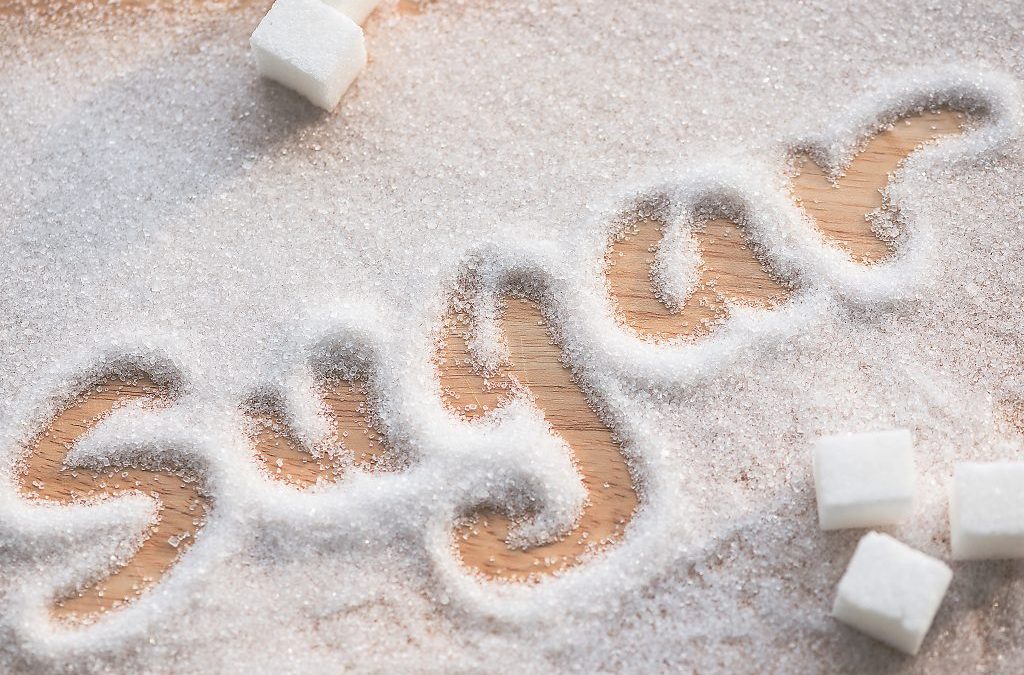
The Deadly Poison in your Kitchen.

The Deadly Poison in your Kitchen.

The Deadly Poison in your Food Cupboard

A Deadly Poison

There is a deadly poison in your food cupboard – and it kills more than 10% of us in the UK and costs the taxpayer more than £23 Billion every year – and it gets worse every year.

It’s not fatty food, it’s not artificial colouring or E numbers and it’s not alcohol.

It’s sugar. This is not a sensational claim. It’s a shocking fact, and the effect on your health is staggering.

The Paradox

Your body runs on sugar. It’s the fuel you use to function. So how can it be poisonous? The answer lies in type and quantity. Sugar is killing us because we consume too much of it in foods that release sugar too quickly.

Never before in the history of the human race has sugar been so readily available. Your body evolved to crave sugar in a world where sugar was scarce. We now live in a world where sugar is everywhere in huge quantities and much of it is hidden.

Sugar and Sugar

Although your body uses sugar as a fuel, sugar, as we know it now did not exist. So your body evolved to create sugar from other more complex molecules contained in plants – carbohydrates. When you eat an apple, your body breaks down the complex molecules that make an apple to make sugar to use as fuel. But that takes time and energy, so the sugar from that apple is released only slowly into your bloodstream. Your blood delivers the sugar (in small amounts) around your body to fuel your cells.

But in the modern world, sugar molecules do not need to be made inside our bodies. Sugar molecules already exist in vast quantities in the majority of modern food. So vast amounts are released into your bloodstream when you eat a great many modern foods. A high level of sugar in your bloodstream is poisonous and unless it’s removed quickly, you’ll fall into a coma and die.

Your body secretes insulin to stop this happening. Insulin mops up the excess sugar and stores it for later use (it’s a precious fuel, remember, so it doesn’t want to waste it). Excess sugar gets stored in your fat cells.

And it is excess sugar stored in fat cells that has caused the obesity epidemic in the developed world.

The Risk

Excess sugar in your bloodstream is dangerous for other reasons too. Consistently eating high sugar foods can eventually lead to insulin resistance whereby your body can no longer regulate blood sugar levels correctly. This is Type 2 Diabetes and it cost the NHS 10% of the entire Health Service Budget every year.

Excess sugar gets stored in fat cells and excess body fat is deadly too. Coronary Heart Disease, Cancer, Stroke, Dementia, Joint Problems, Depression – list is huge and people are dying needlessly. And all because of too much readily available sugar.

Hidden in plain sight

Modern food contains huge amounts of free sugar (the type that rapidly raises blood sugar levels) and much of it is hidden.A cup of fruit juice smoothie from Costa contains 24 teaspoons of sugar! Think about that – 24! From a drink marketed as healthy!Breakfast cereal bars and snack often contain as much sugar as a Mars or Snickers bar!A single can of Coke contains 9 teaspoons of sugar! 

The ubiquitous nature of sugar on modern food is the problem. So what can we do?  

Staying Alive in a Sugar Rich World

Sugar is hard to avoid in the modern world and we’re genetically programmed to seek it relentlessly – it’s our fuel.

But there is a way to cut right back and it’s not that difficult:

Eat fruit and vegetables in their natural state whenever possible.

Plan your day so you don’t eat on the go. It’s almost impossible to eat healthily when you grab whatever is available during a busy work day.

Avoid the obvious sources like cakes, sweets, cereal bars, flapjacks and most processed food.

Switch to unsweetened diet soda like Pepsi Max or Diet Coke or better still, drink water!

Learn to read labels. Anything high in Carbohydrates is also high in sugar!

Felix

Felix

Founder

Captain Felix Deer joined the Army in 1985 and served in a number of Training Officer roles, qualifying as a Unit Fitness Officer in 1986. Since leaving the Army in 1994, Felix has sold property, built houses and flown airliners for a living, but has always maintained his keen interest in Fitness.
How Healthy Are You? Find out with this simple test!

How Healthy Are You? Find out with this simple test!

How Healthy Are You?

A recent study found that 67% of us believe we are reasonably Fit and Healthy.

A separate NHS study found the reverse to be true. A whopping 64% percent of us are actually NOT Fit and Healthy and are at significantly higher risk of heart disease, type 2 diabetes and other serious health conditions because of our lifestyles and too little physical activity.

The inescapable truth is that inactivity and and poor diet is terribly damaging for us. We live busy lives with many calls upon our time – and taking care of ourselves often slips down our list of priorities.

Cheap, easy and tasty food is also available 24 hours a day. But much of that food is loaded with sugar, saturated fat and salt and is seriously damaging our health.

Find out how Healthy you really are and make a commitment to put yourself FIRST on your list of things to do. Your future depends upon it!

Click here to take the NHS One You Test!

Felix

Felix

Founder

Captain Felix Deer joined the Army in 1985 and served in a number of Training Officer roles, qualifying as a Unit Fitness Officer in 1986. Since leaving the Army in 1994, Felix has sold property, built houses and flown airliners for a living, but has always maintained his keen interest in Fitness.

Sleep – the key to your Fat-loss

Sleep – the key to your Fat-loss

Sleep – the key to your Fat-loss…


Sleep could literally be the secret ingredient to your fitness/weight-loss success. Except it’s not a secret, we just don’t realise how important it is. The truth is that more or better quality sleep can lead to:


One – Weight and fat loss

Two – Increased muscle gains

Three – More energy and focus

 Four – Better exercise sessions

 Five – Faster recovery

 Six – Better hormone function

 But why? Two people can exercise as hard as each-other, diet as well as each-other and see very different results, all because of how many zzz’s they’re catching. A study published in The Annals of Internal Medicine compared dieters who were given different sleeping schedules. With the only difference being how much sleep they had, The well rested group lost more weight, more fat, had more energy and found it easier to diet. The group that cut back on sleep lost weight, but a lot of it was muscle and they reported having “no energy to exercise” and said they felt much hungrier.

When we don’t get enough sleep our bodies don’t function as well and one of the biggest effects is on our hormones. After just 4 days of sleep deprivation your bodies ability to make insulin becomes severely disrupted and you also become much less insulin sensitive. This is disastrous when we’re trying to lose weight/fat as Insulin plays a crucial role in burning fat and the more insulin sensitive we are, the better it is at doing this. 

Two other very important hormones are also affected when we’re not sleeping enough. They are Leptin and Ghrelin. These hormones are what control how hungry we feel and how are bodies spend energy. Controlling these hormones is key to fat loss. The less we sleep the more we effect Leptin and Ghrelin in the wrong way, so we feel hungrier and less satisfied by foods meaning we crave and eat more.

Not getting enough sleep can also start to affect our ability to recover. When we exercise we push our bodies, often creating micro-tears in our muscles and forcing our bodies to adapt/change. This change happens whilst we rest and sleeping is by far the most important element of resting. Scientists in Brazil have proven that a sleep deficit decreases protein synthesis (which is the making/repairing of muscle) and can cause muscle loss and lead to higher rates of injury. It also slows down the production of Growth Hormone, which we really don’t want to happen as Growth Hormone is fat burning and anti-aging! 

So, how much sleep should we be getting? A study performed in the Czech Republic found that test subjects who maintained 7 hours of sleep each night were much closer to their “optimal body weight”. The more frequent and intense your exercise sessions, the more sleep can become necessary (Usain Bolt sleeps for an average of 9-10 hours a night and when Andy Murray is in deep training/competition he sleeps as much as 13 hours!). The average person should aim for around 8 hours a night and then adjust based on how you feel, how you perform and how easy you find it to lose fat/build muscle.


Sweet Dreams!


1000 Calorie BootCamp – Fitness and Fat Loss made simple 

Like this article? Find more here.


Not been to your Free Trial yet? Click here 


Felix

Felix

Founder

Captain Felix Deer joined the Army in 1985 and served in a number of Training Officer roles, qualifying as a Unit Fitness Officer in 1986. Since leaving the Army in 1994, Felix has sold property, built houses and flown airliners for a living, but has always maintained his keen interest in Fitness.
Coffee and Fatloss

Coffee and Fatloss

Coffee and Fat-Loss

Coffee. The staple drink of many busy and/or tired people. We know it can help us wake up in the morning or to keep us awake when we are tired but coffee is also a very useful tool when it comes to Fat-loss.

Coffee can increase our Metabolism. Scientific studies have shown an increase of as much as 3-11% from an average strength cup. 

It can also improve our Physical performance by stimulating our nervous system, making you more focused and ready to exercise and by using more energy from your fat tissues (happy days). Studies have shown Coffee can improve athletic performance by an average of 10%

Coffee also has a fairly powerful ability to suppress appetite. This is so helpful when you are in a calorie deficit trying to lose body fat as we know that at certain times of the day we get hungry and we don’t have enough calories in our daily allowance to snack. This happens to me all the time and I find that around 500ml of cold water and a strong black coffee soon have me forgetting I was ever hungry in the first place.

As well as being great for your waist line Coffee has been involved in thousands of Scientific studies where strong evidence links it to lowering risk of Type 2 Diabetes, helping to lower risk of Parkinsons and Alzheimers, helping fight Liver cirrhosis and it’s packed with nutrients and antioxidants. 

Before you start downing pints of Espressos there are some things to think about when it comes to Coffee. First is that too much of anything is never good. Second is that people can become tolerant to some of Coffees effects over time which means having breaks from coffee keeps it as effective as possible. I often drink coffee before working out during the week and then wont drink any at all from Friday to Monday.

The last thing to consider is the type of coffee you drink. Lots of coffee chains offer drinks that are packed with Calories which isn’t what we want and negates all of those positive fat-loss effects. Black coffee is my go to and adding a little cinnamon can make it more tasty and even better for you. A little bit of milk isn’t the end of the world but f you’re having 2 or 3 coffees a day those calories cans add up.

When you drink your coffee is really up to you, but I like to have a strong black coffee between 5-15 minutes before I train to help me work harder or get through tough sessions. As always do what works for you.

1000 Calorie BootCamp – Fitness and Fat-loss made simple 

Like this article? Find more here.

Not been to your Free Trial yet? Register here.


Felix

Felix

Founder

Captain Felix Deer joined the Army in 1985 and served in a number of Training Officer roles, qualifying as a Unit Fitness Officer in 1986. Since leaving the Army in 1994, Felix has sold property, built houses and flown airliners for a living, but has always maintained his keen interest in Fitness.

5 Reasons why 1000 Calorie BootCamp is the King of Fat Loss!

5 Reasons why 1000 Calorie BootCamp is the King of Fat Loss!

Why is 1000 Calorie BootCamp so good at burning fat?

Our Workouts combine total body resistance exercise with high intensity cardio to make sure you get the most out of every session. We work hard to keep them fun, challenging and effective! So without further ado, here are 5 of the reasons why it works so well:

Reason 1. Resistance exercise makes muscles tighter and more toned. It also continues to burn calories after you finish as your body tries to recover making it one of the best ways to burn fat, and at BootCamp we do A LOT of it 

Reason 2. Working out in groups is proven to motivate people to train harder and more often than if they workout alone and here at BootCamp we do everything together!

Reason 3. HIIT or High Intensity Interval Training is incredibly effective at burning fat during a workout and for hours afterwards because it’s so intense. HIIT also speeds up your metabolism for an average of 8 hours after you finish, making you a fat burning machine! At BootCamp we include HIIT in every session and at least once per week we do a WHOLE HIIT session.

Reason 4. Information… whether its training tips, recipes or advice about healthy eating we’ve got you covered! Our Blog and our Facebook are full of articles on fat loss, calories, free workout videos and more. If you ever have a question you can ask us on Facebook or better yet at a workout and we’re happy to help 

Reason 5. It’s FUN! A great atmosphere, awesome people, great Trainers (ahem, modesty) and workouts that challenge and motivate you. It’s a social way to keep fit, burn fat and enjoy it as you go!

So there you have it – 5 of the best, best reasons 1000 Calorie BootCamp is so good at burning fat.

1000 Calorie BootCamp – Fitness and Fatloss made simple

Like this article? Click here for more 

Not been to your FREE TRIAL yet? Click here.

Felix

Felix

Founder

Captain Felix Deer joined the Army in 1985 and served in a number of Training Officer roles, qualifying as a Unit Fitness Officer in 1986. Since leaving the Army in 1994, Felix has sold property, built houses and flown airliners for a living, but has always maintained his keen interest in Fitness.

Pin It on Pinterest

Calorie_BootCamp_Transparent logo
Privacy Overview

This website uses cookies so that we can provide you with the best user experience possible. Cookie information is stored in your browser and performs functions such as recognising you when you return to our website and helping our team to understand which sections of the website you find most interesting and useful.